
Nervous system regulation is not about becoming calm on command.
It is not about forcing yourself into peace while your body is still screaming danger. It is not about pretending you are fine, spiritual, healed, evolved, or above ordinary human reactions.
It is about learning how to speak the language of your body.
Because the nervous system does not respond very well to lectures.
You can tell yourself, “I should be fine.”
You can explain why the situation is not a big deal.
You can remind yourself that other people have it worse.
You can try to think your way out of the feeling.
And sometimes it still does not work.
Not because you are weak.
Because the body is not asking for an argument.
It is asking for safety.
When the nervous system feels activated, overwhelmed, frozen, or under threat, the thinking mind is not always the place to start. We often need to begin lower down, in the body, in the breath, in the senses, in the muscles, in the tiny signals that say, “I am here. I am in this moment. I am not completely powerless.”
That is what regulation tools are for.
Not to erase emotion.
But to create enough safety inside the body so the emotion can move, soften, or become more manageable.
Nervous system regulation is not about forcing peace; it is about learning to listen to the body, soften the threat, and return to yourself before old survival becomes your only voice.
One of the simplest tools is the exhale.
Not dramatic breathing.
Not complicated breathwork.
Not trying to become a monk in the middle of the school run.
Just a longer exhale.
Breathe in gently.
Then breathe out a little longer than you breathed in.
The long exhale is like a soft message to the body. It says, “We do not need to sprint right now. We are allowed to come down.” It can be done in the car, in the bathroom, before opening a message, after a difficult conversation, or while standing in the kitchen wondering why the smallest thing has tipped you over the edge.
Another tool is orienting.
Look around the room slowly.
Notice the colour of the wall.
The shape of the door.
The light coming through the window.
The chair.
The floor.
The cup.
The edge of the table.
This sounds almost too simple, but that is the point.

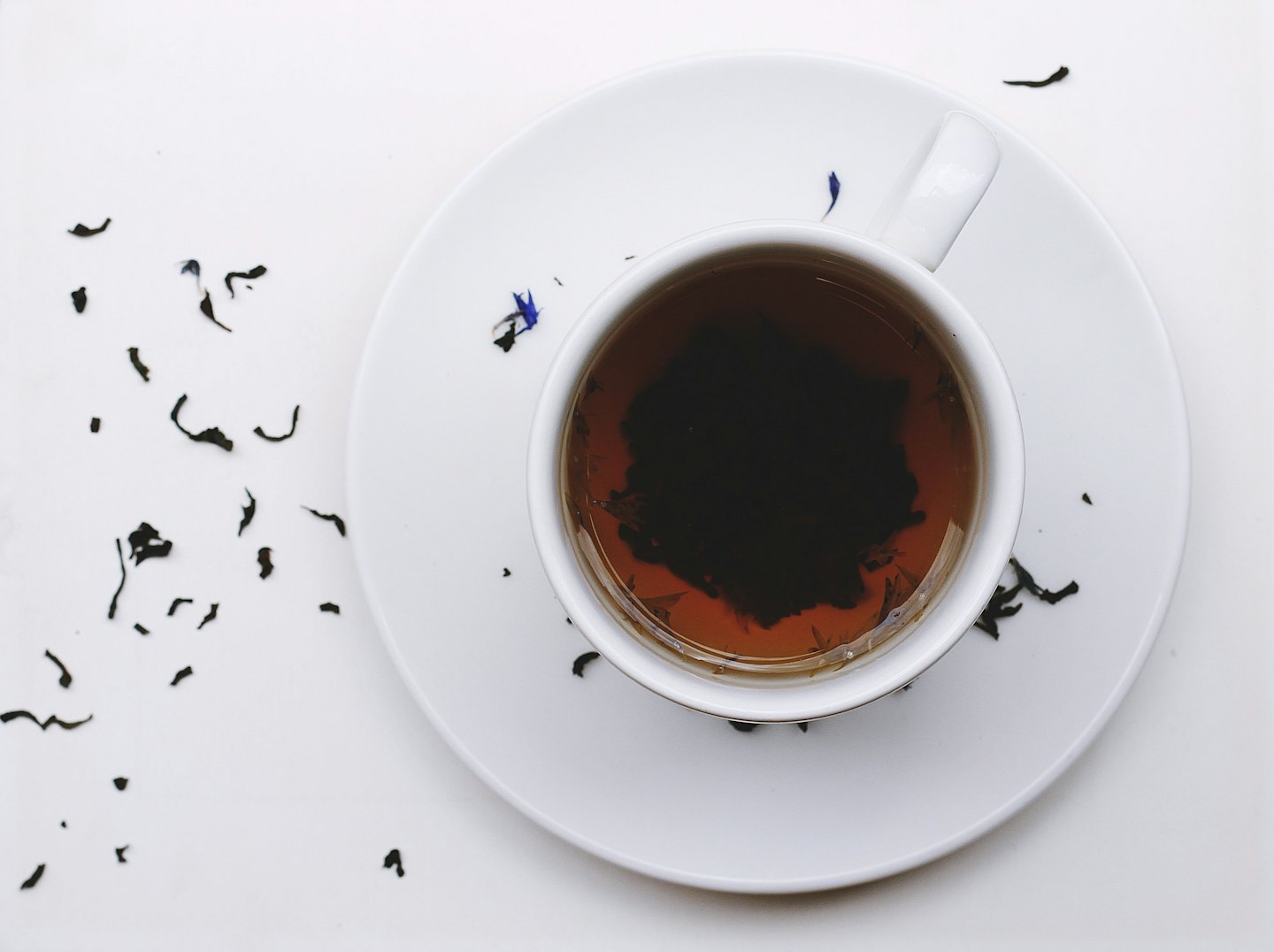
When the nervous system is pulled into old fear, future worry, or internal chaos, orienting helps bring it back to the present moment. The eyes tell the brain, “This is where we are now.” And sometimes the body needs to know that before the mind can believe it.
Then there is grounding through contact.
Feel your feet on the floor.
Press your toes down.
Notice the weight of your body in the chair.
Place one hand on your chest and one hand on your belly.
Lean against a wall.
Wrap your arms around yourself.
Hold a warm mug with both hands.
Contact is powerful because it gives the body a boundary.
It says, “This is where I am.”
“This is my body.”
“This is the ground beneath me.”
“I am held by something real.”
For people who live in their heads, this can feel surprisingly emotional. Because sometimes we are not just calming down. We are coming back into a body we learned to leave.
Movement is another regulation tool.
Not punishment movement.
Not exercise as another way to fix yourself.
Not “burning off” your feelings as if they are something shameful.
Gentle movement.
Shake your hands.
Roll your shoulders.
Stretch your neck.
Sway side to side.
Walk slowly.
Push your palms against a wall.
Curl and uncurl your fingers.
Move your spine like it has been waiting all day to breathe.
The body often needs completion.
If anger rises, the body may want to push.
If fear rises, the body may want to run.
If freeze takes over, the body may need small, slow movement to remember that action is possible.
This is why stillness is not always the answer.
Sometimes regulation looks like breathing.
Sometimes it looks like moving.
Sometimes it looks like crying.
Sometimes it looks like stepping outside before you say something that will bruise the relationship.
Sometimes it looks like lying on the floor because the body needs to feel less responsible for holding itself up.
Sound can also regulate.
Hum.
Sigh.
Sing quietly.
Make a low “mmm” sound.
Let out the breath with sound instead of holding it politely in your throat.
Many of us learned to be quiet with our distress.
To swallow it.
Tighten around it.
Keep it neat.
But the body sometimes needs vibration. Sound can soften the throat, lengthen the exhale, and give the nervous system a way to release what words cannot organise yet.
Another effective tool is naming the state you are in.
Not with judgement.
With honesty.
“I am activated.”
“I am shutting down.”
“I am in fight.”
“I am in freeze.”
“I feel overwhelmed.”
“My body feels unsafe, but I am here.”
“This is a nervous system response, not the whole truth of who I am.”
This matters because once we name the state, we stop becoming the state.
There is a small but powerful difference between:
“I am broken.”
And:
“My nervous system is overwhelmed.”
One turns the experience into identity.
The other gives us room to respond.
For parents, one of the most practical tools is the pause.
Not the perfect pause.
Not the beautiful pause.
Not the pause where you suddenly become wise and calm and speak like a parenting book.
Just a real pause.
A hand on the worktop.
A breath before the lecture.
A sip of water before the reply.
A sentence like, “I need a moment.”
A decision to lower your voice by one notch.
A moment where you do not add more fire to the fire.
That pause can change everything.
Because regulation is often not about doing something huge. It is about interrupting the old pathway before it becomes the old pattern.
Co-regulation is also a tool.
We are not meant to regulate alone all the time.
A steady voice.
A safe person.
A hand held.
Eye contact that does not demand performance.
Someone saying, “I am here. We can slow this down.”
Someone who can stay kind without becoming swallowed by our storm.
This is especially true for children.
Children borrow our nervous system before they can fully use their own. They learn regulation through repeated experiences of being met, soothed, guided, repaired with, and brought back into connection.
But adults need co-regulation too.
We need spaces where we do not have to be the strong one every second. We need people who can hear the truth without rushing to fix it. We need relationships where our nervous system does not have to perform safety while quietly bracing.
And when no safe person is available in the moment, we can still create small anchors.
A voice note to ourselves.
A grounding playlist.
A weighted blanket.
A familiar scent.
A cup of tea.
A quiet corner.
A phrase that brings us back.
Something simple.
Something repeatable.
Something the body can begin to recognise as, “This helps me return.”
Another tool is repair.
We do not always think of repair as nervous system regulation, but it is.
When we repair after rupture, the body learns that conflict does not have to mean abandonment. Mistakes do not have to become shame storms. Love does not have to disappear when someone gets it wrong.
Repair says:
“I came back.”
“We are still connected.”
“That moment was hard, but it is not the whole story.”
“I can take responsibility without collapsing.”
“You can be hurt and still safe with me.”
In families, repair is one of the most powerful regulation practices we have.
Not because it makes everything perfect.
But because it teaches the nervous system that relationships can bend without breaking.
Finally, one of the most overlooked tools is reducing the load.
Sometimes the nervous system is not dysregulated because you need a better breathing technique.
Sometimes it is dysregulated because you are carrying too much.
Too many demands.
Too little support.
Too much noise.
Too little sleep.
Too much emotional labour.
Too many decisions.
Too many people needing you while you have nowhere to put yourself.
In that case, regulation is not only about calming the body.
It is about changing the conditions around the body.
Asking for help.
Lowering expectations.
Eating something warm.
Sleeping when possible.
Cancelling what can be cancelled.
Letting something be imperfect.
Saying no.
Creating space.
Removing unnecessary stimulation.
Admitting, “I cannot keep functioning like this and call it resilience.”
That is regulation too.
Because the nervous system is not separate from the life it is living.
It responds to the environment, the relationships, the pace, the pressure, the stories, the lack of rest, the lack of safety, the lack of support.
So yes, use the tools.
Breathe.
Orient.
Ground.
Move.
Hum.
Pause.
Name.
Repair.
Co-regulate.
But also ask the deeper question:
“What is my nervous system constantly responding to?”
Because sometimes the most effective regulation tool is not another practice.
Sometimes it is permission to stop living like your body should be able to survive anything.
Nervous system regulation is built in tiny returns.
Again and again.
Back to the breath.
Back to the body.
Back to the room.
Back to the ground.
Back to truth.
Back to connection.
Back to yourself.
Not perfectly.
But gently enough that the body begins to believe you are no longer abandoning it.
And that is where regulation becomes more than a tool.
It becomes a relationship.
A daily promise to listen sooner, soften faster, repair more honestly, and return to yourself with a little more tenderness than before.
Leave a Reply